
Percentage of Students Using AI in the Philippines
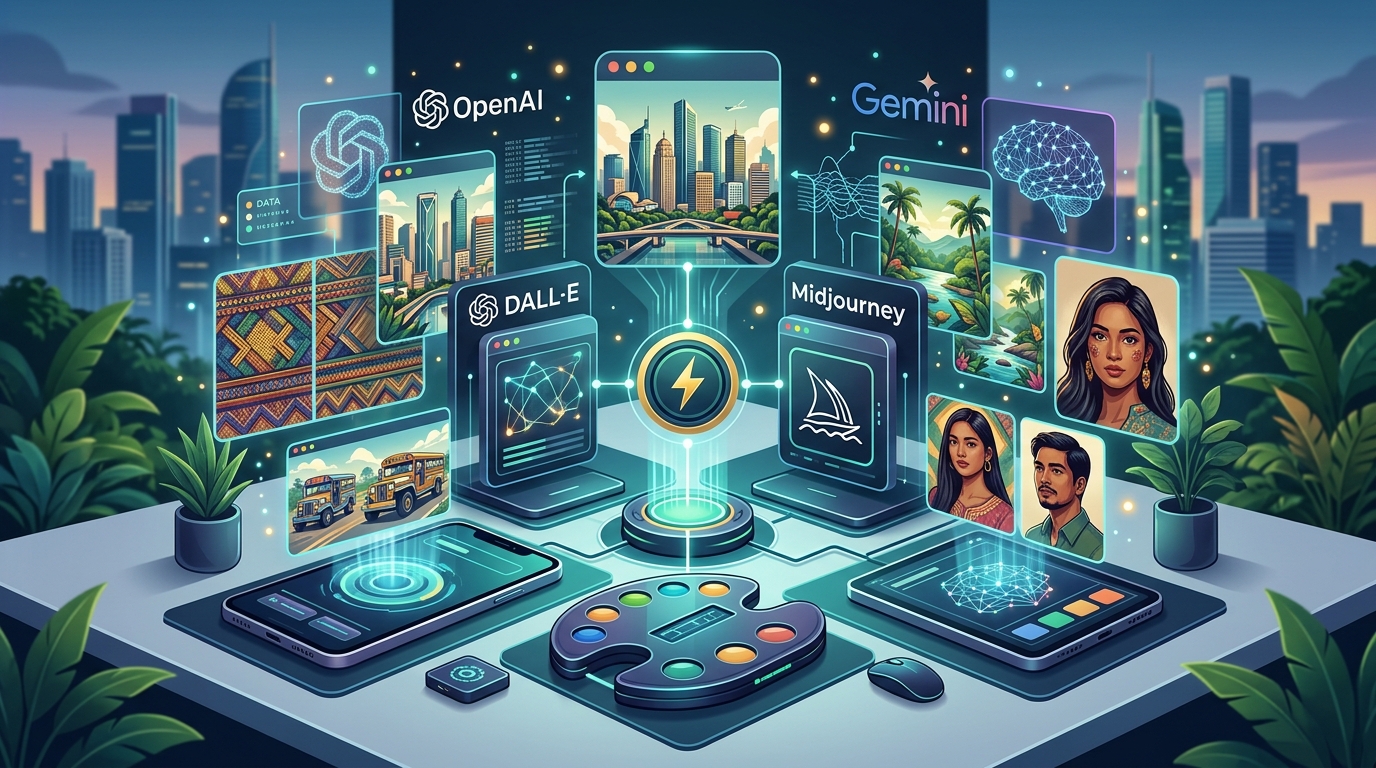
About 83.4% of students in the Philippines have used generative AI models, according to reports on AI Ready ASEAN Research findings. This shows that artificial intelligence is no longer a future trend in education. For many Filipino students, AI is already part of schoolwork, research, writing, translation, and daily learning.
From ChatGPT-style chatbots to AI writing tools, paraphrasing apps, grammar checkers, and translation platforms, students are using AI to study faster, understand lessons better, and complete academic tasks more efficiently. But this rapid growth also raises important questions about honesty, critical thinking, school rules, and responsible AI use.
What Percentage of Students Use AI in the Philippines?
The most reported figure is that 83.4% of students in the Philippines have used generative AI models. This means more than 8 out of 10 Filipino students may already have experience using AI for school or learning-related tasks.
This number is important because it shows how quickly AI tools have entered Philippine education. What used to feel like advanced technology is now something many students can access on a phone, laptop, or school computer.
How Filipino Students Use AI for School
Filipino students use AI in many practical ways. Some use it to generate ideas for essays, while others use it to translate English text, summarize long readings, explain difficult lessons, or improve grammar and sentence structure.
Reports on higher education technology trends show that many Filipino students use generative AI chatbots for specific academic tasks. Common uses include generating text, translating content, explaining difficult concepts, and summarizing academic articles.
Why Are Filipino Students Using AI?
AI is growing among students because it is fast, easy to access, and useful for everyday school tasks. A student can ask an AI chatbot to explain a lesson, create a study outline, rewrite a sentence, translate a paragraph, or summarize a long article in seconds.
For students who struggle with English, AI can make difficult text easier to understand. For students with heavy reading loads, it can summarize key points. For students preparing reports, it can help organize ideas before they write their own final output.
This is why AI has become popular: it saves time, reduces confusion, and gives students instant support when teachers, classmates, or tutors are not available.
Is AI Good for Filipino Students?
AI can be good for Filipino students when it is used properly. It can help learners understand difficult topics, improve grammar, organize ideas, prepare outlines, and review lessons. It can also make learning more accessible for students who need extra support.
However, AI can become harmful when students use it to replace their own thinking. If a student simply copies and submits AI-generated work without understanding it, the student may finish the assignment but miss the learning.
The real issue is not whether students should use AI. The real issue is whether they know how to use it honestly, carefully, and responsibly.
Is Using AI for School Cheating?
Using AI is not automatically cheating. It depends on the rules of the school, the instructions of the teacher, and how the student uses the tool.
AI can be acceptable when used for brainstorming, outlining, grammar improvement, translation support, or lesson review. But it can become academic dishonesty if a student copies an AI-generated answer and submits it as fully original work.
A simple rule is this: AI should help students learn, not help them pretend.
Why Schools Need Clear AI Guidelines
The high percentage of students using AI in the Philippines shows that schools need clear rules. Students need to know when AI is allowed, how much help is acceptable, and how to disclose AI assistance when required.
Teachers also need support. If students are already using AI, educators need training, classroom strategies, and fair policies that protect learning while still preparing students for a technology-driven future.
Instead of banning AI completely, schools can teach responsible AI literacy. This means helping students understand what AI can do, what it cannot do, and how to use it ethically.
Responsible Ways Students Can Use AI
Filipino students can use AI wisely by treating it as a study partner, not a replacement for effort. Here are responsible ways to use AI for school:
- Use AI to explain lessons, but still study the topic yourself.
- Use AI to brainstorm ideas, then write your own final answer.
- Use AI to improve grammar, not to fake your voice.
- Use AI to summarize long readings, but check the original source.
- Use AI for translation support, but review the meaning carefully.
- Always fact-check AI answers because AI can make mistakes.
- Follow your teacher’s rules about AI tools and academic honesty.
What Parents Should Know About Student AI Use
Parents should know that AI is now part of modern learning. Many students are already using AI tools, whether at home, in school, or through mobile apps.
The best response is not fear. The better response is guidance. Parents can ask their children how they use AI, remind them not to copy blindly, and encourage them to use technology for understanding, not shortcuts.
AI can be helpful when students use it to learn. But students still need discipline, reading skills, writing practice, and critical thinking.
What This Means for the Future of Education in the Philippines
The rise of AI use among Filipino students shows that education is changing quickly. Students are no longer relying only on textbooks, search engines, or classroom discussions. Many now use AI as a digital study assistant.
This creates a big opportunity for Philippine education. AI can help students learn faster, practice writing, improve comprehension, and access explanations anytime. But it also creates challenges around plagiarism, misinformation, overdependence, and fairness.
The future of education in the Philippines will likely include AI. The goal should be to help students use it with honesty, confidence, and responsibility.
Final Thoughts
So, what is the percentage of students using AI in the Philippines? Based on recent reported research, about 83.4% of Filipino students have used generative AI models. That number shows that AI is already a major part of student life.
For students, the best approach is to use AI as a helper, not a replacement for learning. For teachers and schools, the challenge is to create clear rules that support innovation while protecting academic honesty.
AI is here. The most important question now is not whether Filipino students will use it. They already do. The real question is whether they will use it wisely.
Frequently Asked Questions
What percentage of students use AI in the Philippines?
Recent reports say about 83.4% of students in the Philippines have used generative AI models for learning or school-related tasks.
How do Filipino students use AI?
Filipino students use AI for writing, translation, summarizing academic articles, explaining difficult concepts, brainstorming ideas, and improving schoolwork.
Do students in the Philippines use ChatGPT?
Yes. Many Filipino students use ChatGPT-style AI chatbots and other generative AI tools for academic support, writing help, research, and study assistance.
Is using AI for homework cheating?
Using AI for homework is not automatically cheating. It depends on how the student uses it and what the teacher or school allows. Copying AI-generated work and submitting it as original may be considered cheating.
Should schools allow AI tools?
Schools should create clear AI guidelines instead of ignoring the issue. AI can support learning when used responsibly, but students need rules, training, and digital literacy.